


What happens when you step into cold water is not just a sensation. It is a measurable, physiological transformation.

How it works
Your body’s response to cold is immediate and powerful.
The moment you enter cold water, your sympathetic nervous system activates, also known as the fight-or-flight response. Blood vessels constrict, redirecting blood flow to your core and vital organs. Your heart rate rises. Dopamine, the brain’s reward chemical, surges alongside norepinephrine, fueling alertness and focus.
As your body adapts, the parasympathetic system takes over, bringing deep calm, reduced inflammation, and accelerated recovery. This is not a trend. It is biology, working exactly as it should.
Real results.
Backed by research.
Cold therapy boosts mood, metabolism, immunity, resilience, recovery, and helps reduce pain, inflammation, and stress.
Increased dopamine levels
Improved mood and mental focus
Increased noradrenaline
Enhanced energy and alertness
Metabolism increase
Greater caloric expenditure
The health benefits of cold plunging.
Cold therapy reduces both localized and systemic inflammation, helping your body heal faster from exercise, injury, and daily physical stress. Vasoconstriction redirects blood flow to vital organs, then upon rewarming, fresh oxygenated blood flushes the muscles, speeding up repair.
Cold water desensitizes nerve endings and reduces swelling, providing natural pain relief. Regular practice can ease chronic discomfort and support long-term healing from strains, sprains, and overuse injuries.
Immersion in cold water activates the vagus nerve and stimulates the parasympathetic nervous system, calming heart rate, improving digestion, and building your capacity to handle stress. The surge in norepinephrine also delivers a natural, sustained energy boost that can last for hours after a single session.
Cold exposure triggers a powerful dopamine and norepinephrine response that can elevate mood, sharpen focus, and reduce symptoms of anxiety and depression. The effects are measurable and can last for hours.
The repeated cycle of vasoconstriction and vasodilation strengthens blood vessel walls and improves circulation. Over time, this cardiovascular training effect can support heart health and blood pressure regulation.
Cold therapy activates brown adipose tissue, which burns calories to generate heat. Research suggests this can improve baseline metabolic rate, insulin sensitivity, and may play a role in healthy weight management.
Lowering your core body temperature signals the body to produce melatonin, supporting your natural sleep-wake cycle. A cold plunge earlier in the day or evening can lead to deeper, more restorative sleep and faster sleep onset.
Regular cold exposure stimulates the production of white blood cells and enhances immune cell activity. Over time, this strengthens the body’s natural defense systems and may reduce the frequency and severity of common illnesses.
Your Guide
How to cold plunge at home.
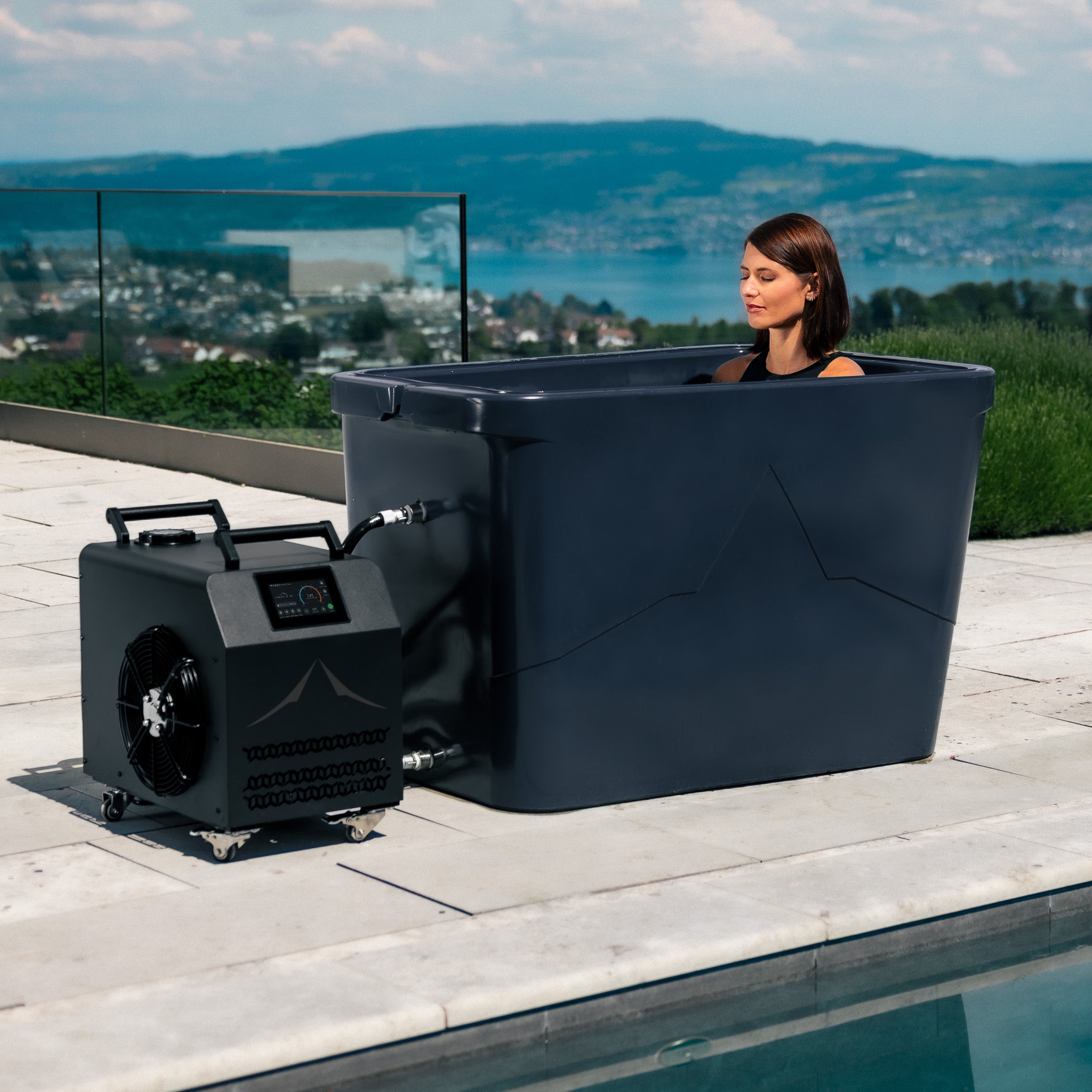
1. Temperature
Start at 10 to 15°C. The key is that it feels uncomfortably cold. Go lower as you adapt.
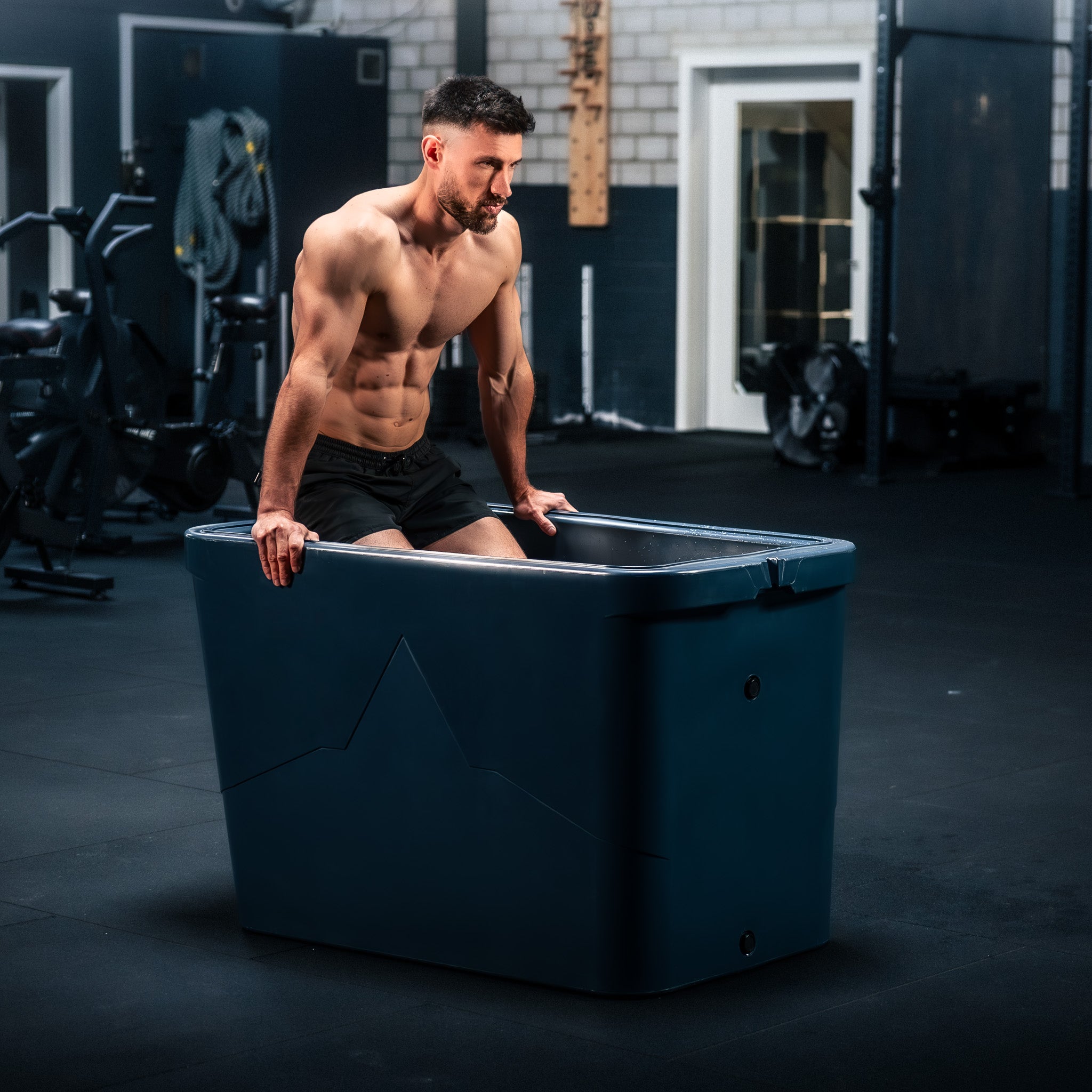
2. Duration
Aim for 3 to 5 minutes per session. Beginners: start with at least 90 seconds and build from there.
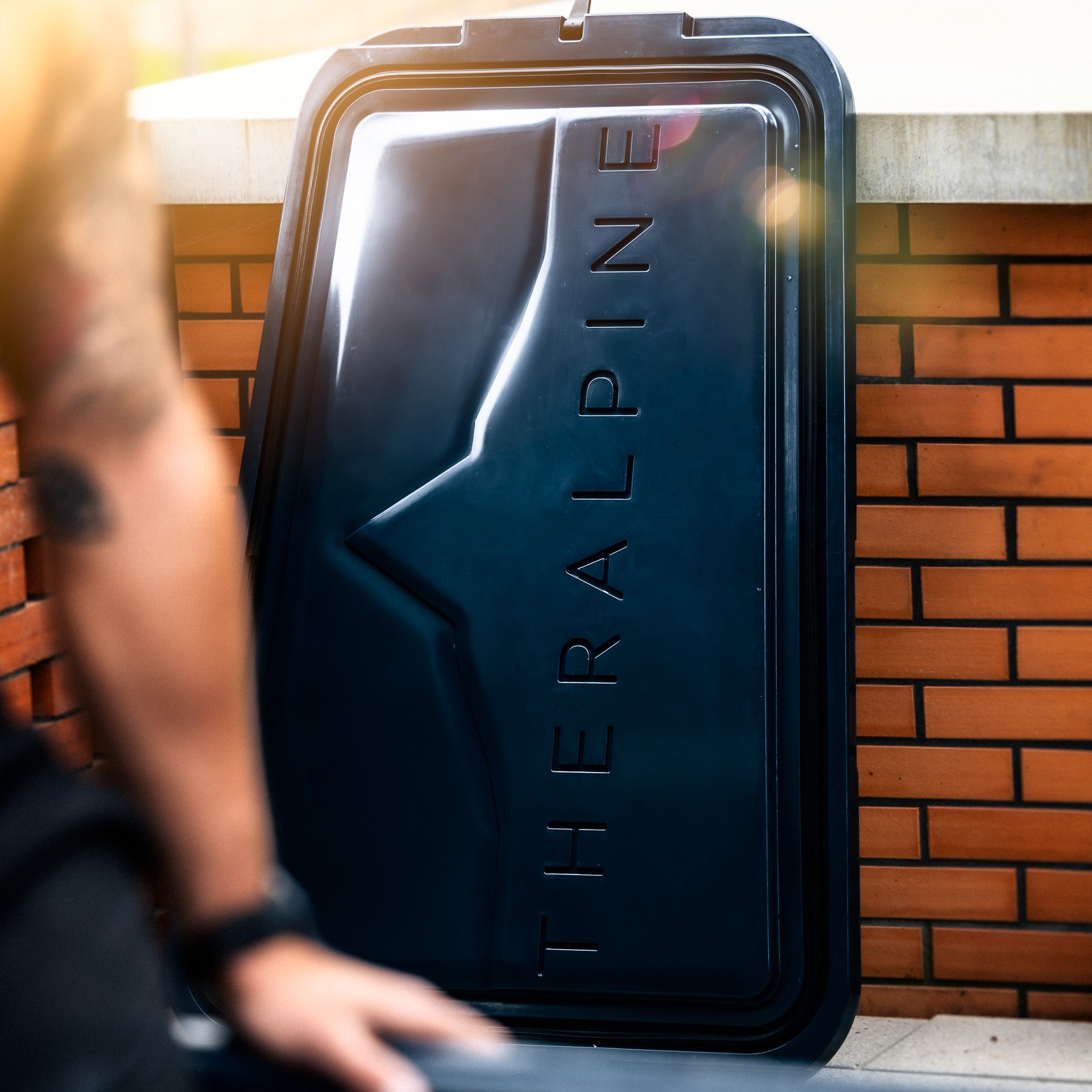
3. Frequency
2 to 4 times per week. Your goal: at least 11 minutes of total cold exposure per week.
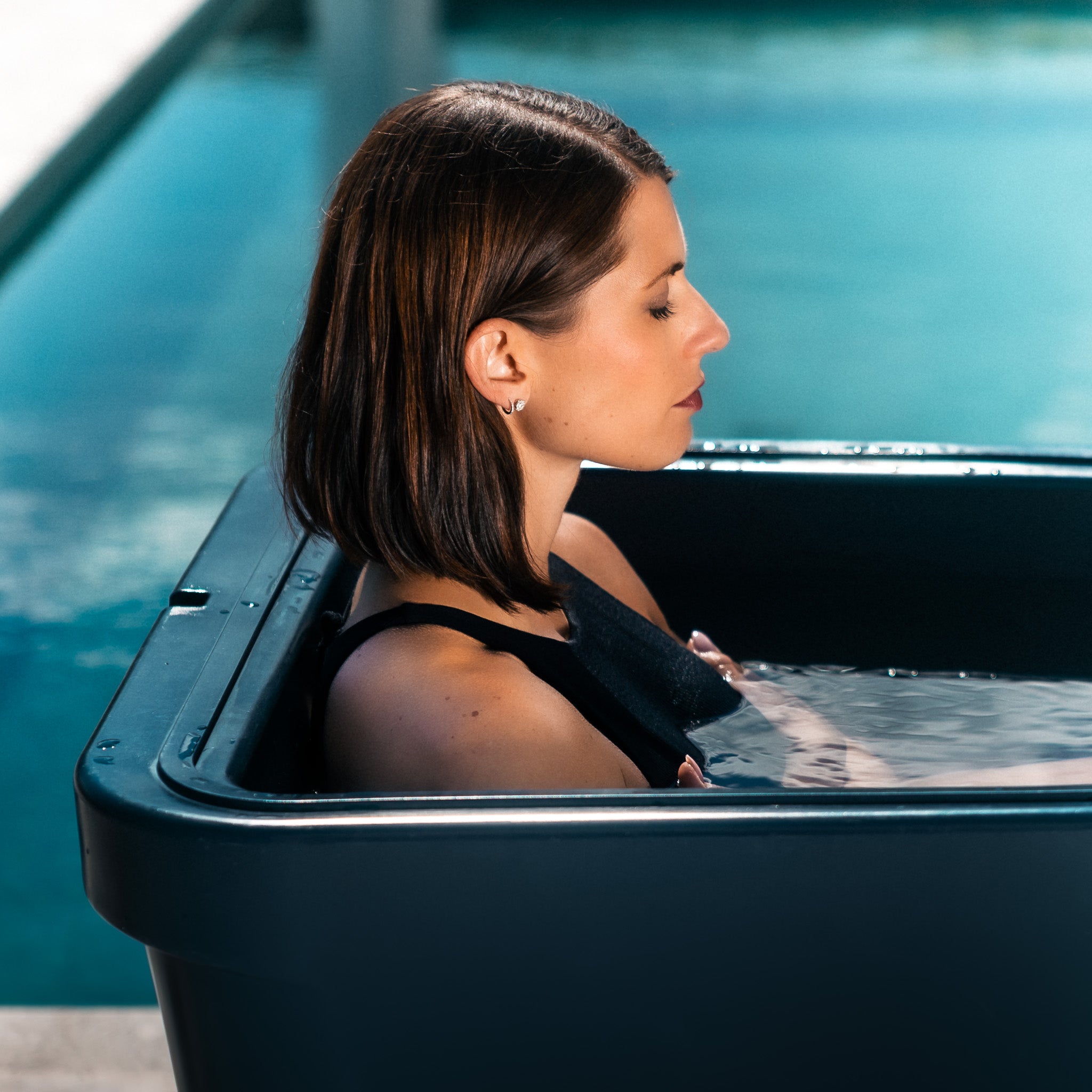
4. Breathing
Slow, deep inhale through the nose. Longer exhale through the mouth. Control the initial shock response.
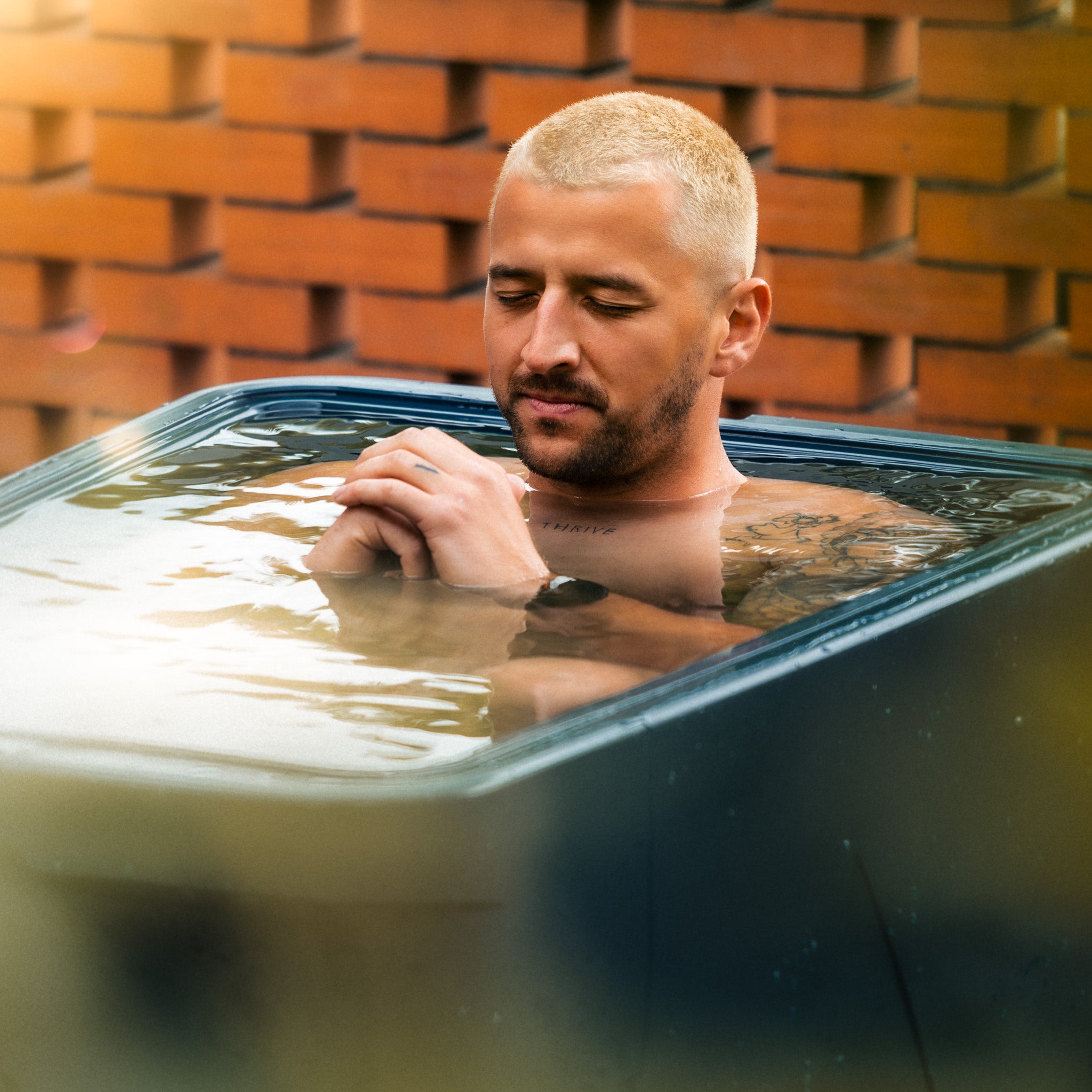
5. Submersion
Submerge up to your neck for full-body benefits.
Pro tip: keep moving gently to circulate the cold water.
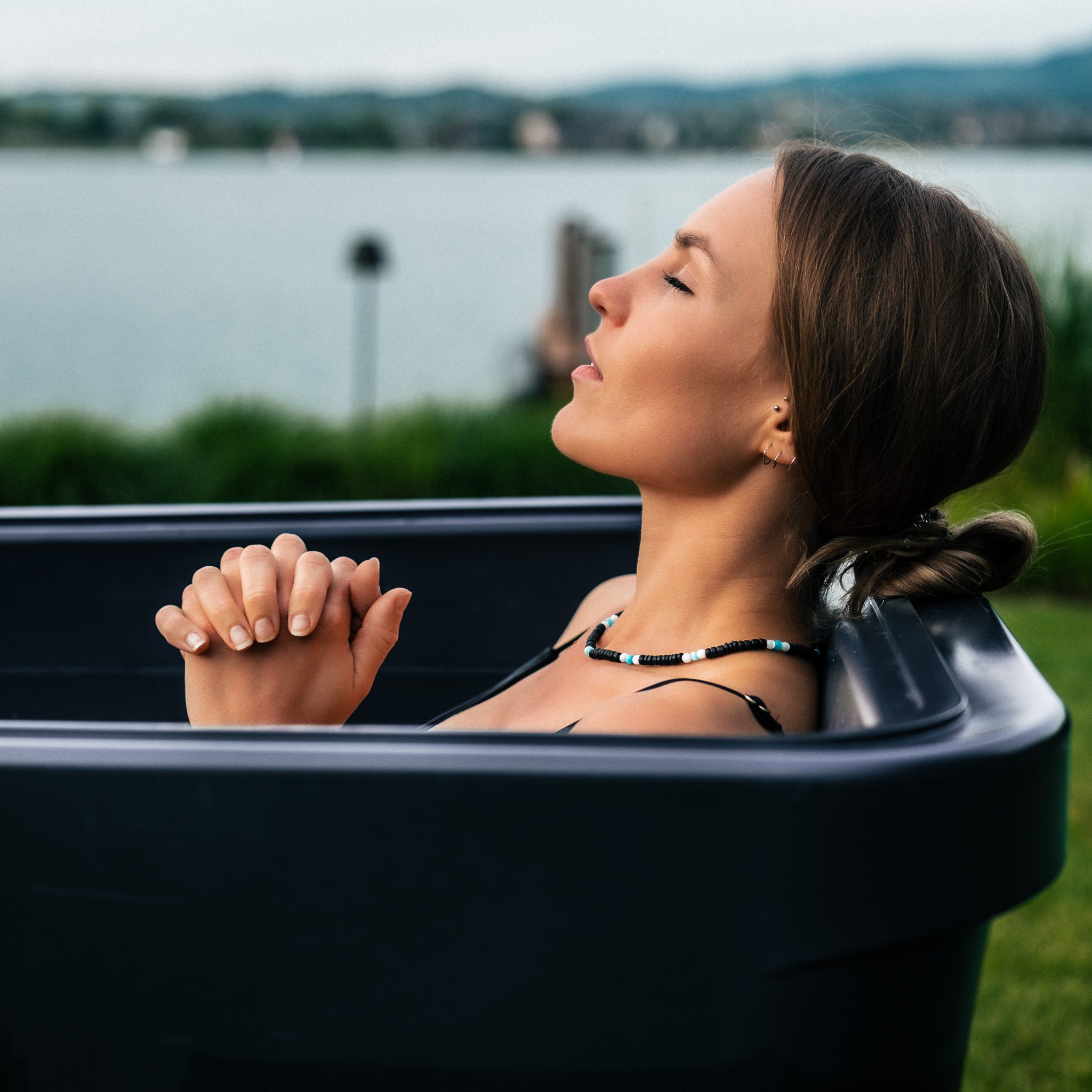
6. Mindset
Discomfort is the point. Focus on your breath, relax into it, and trust your body. This is where resilience is built.
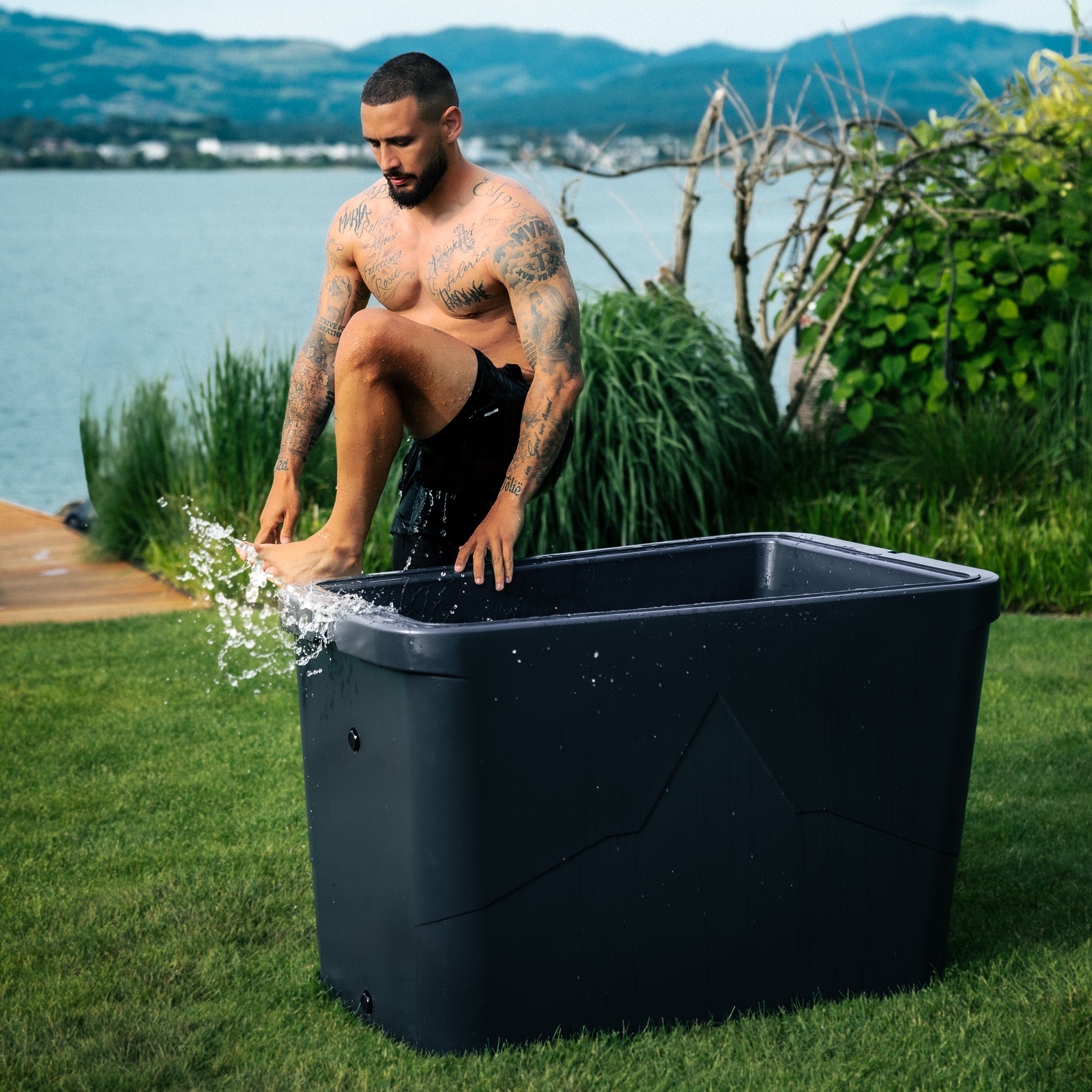
7. Warming up
Skip the hot shower. Let your body reheat naturally. Shivering is beneficial. Air dry for a few minutes before toweling off.
Medical Disclaimer
Cold therapy may not be suitable for everyone. Always consult a physician before starting a cold therapy routine, especially if you have cardiovascular conditions, Raynaud’s disease, or are pregnant. The information on this page is for educational purposes only and does not constitute medical advice.
Ready to feel the difference?


